5 Reasons Winter Is My Favorite Season to Fly Fish
If you ask most anglers when they prefer to fly fish, many will say spring runoff, summer hatches, or the colors of autumn. As a professional fly fishing guide, I enjoy those seasons as much as anyone. But if I'm being honest, winter may be the most underrated fly fishing season of all.
Every year, I watch anglers hang up their rods after the first hard freeze, convinced that fishing won't be productive until warmer weather returns. Meanwhile, some of the best days of the year are unfolding on rivers with almost no one around. Winter fly fishing demands a slightly different mindset, a little patience, and a willingness to dress for the conditions. In return, it offers rewards that are difficult to find during any other season.
Here are the top five reasons I believe every fly angler should embrace winter fishing.
1. You'll Have the River Mostly to Yourself
One of the greatest luxuries in modern fly fishing is solitude. During peak summer months, popular rivers can become crowded with anglers, guides, rafters, kayakers, and vacationers. It's not uncommon to arrive at a favorite access point only to find a parking lot overflowing with vehicles and anglers already working every productive run.
Winter changes everything.
Many fishermen stay home once temperatures begin dipping below freezing. Boat ramps are empty. Access points are quiet. Entire stretches of river that see dozens of anglers per day in July might see only one or two in January.
As a guide, I've often spent winter days floating several miles of river without seeing another boat. The absence of pressure allows fish to behave more naturally and gives anglers a chance to experience the river in its purest form.
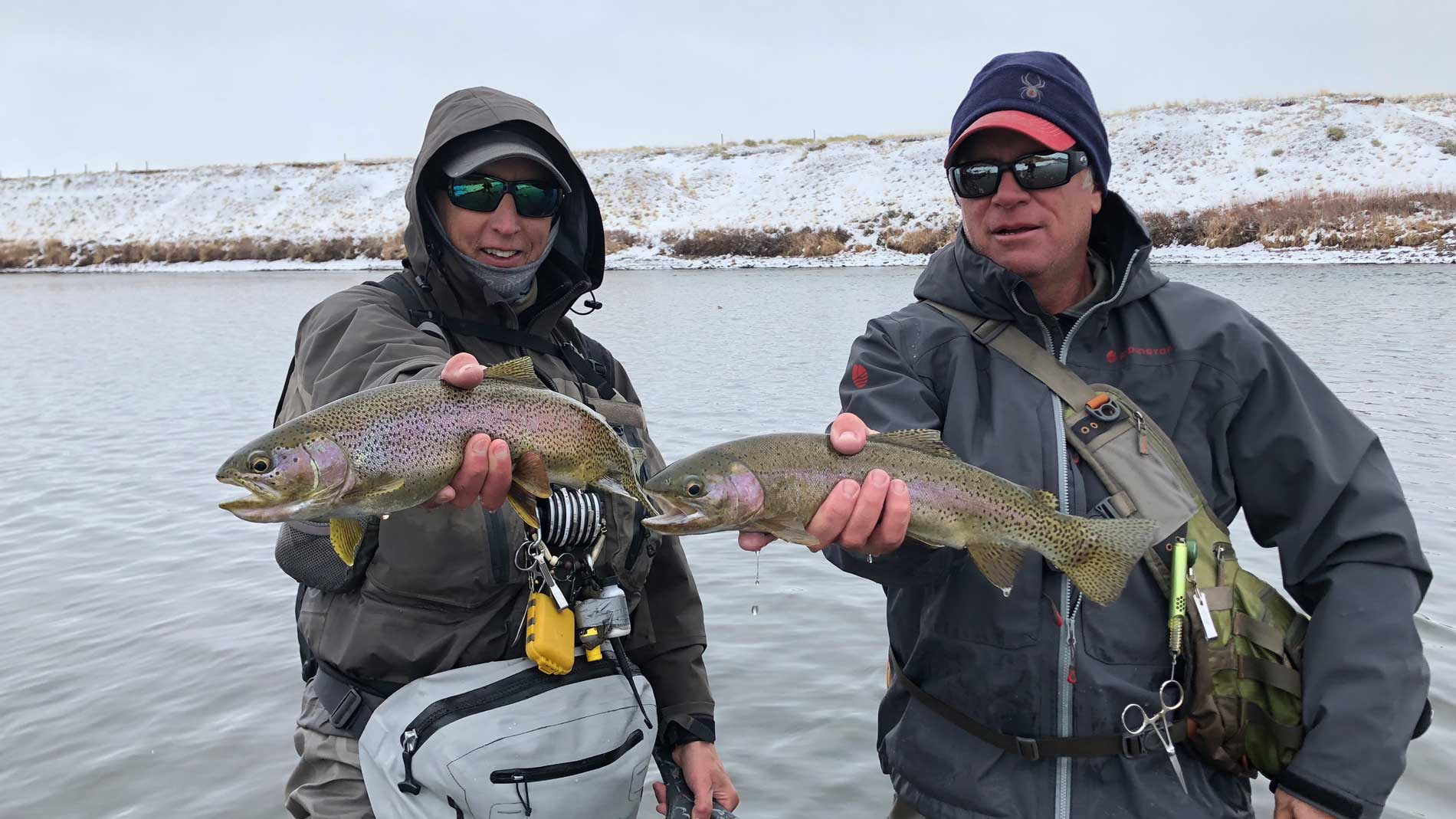
There's something special about standing knee-deep in a run with fresh snow on the banks, watching steam rise from the water as sunlight reaches the canyon walls. The quietness alone makes winter fishing worth the effort.
2. Fish Become Predictable
Many anglers assume trout become impossible to find during winter. In reality, the opposite is often true. Cold water affects trout metabolism. Instead of spreading out throughout a river system, fish tend to gather in specific types of holding water where they can conserve energy while still feeding opportunistically. As a guide, this predictability is one of my favorite aspects of winter fishing.
Rather than covering miles of water searching for active fish, I focus on a handful of winter holding areas:
- Deep pools
- Slow-moving runs
- Tailouts below riffles
- Soft seams near structure
- Bankside eddies protected from heavy current
When water temperatures drop into the 30s and low 40s, trout generally avoid expending unnecessary energy. Once you locate a concentration of fish, multiple trout are often holding in the same zone.
I've seen countless winter anglers struggle simply because they continue fishing fast summer water. Once they slow down and fish deeper holding lies, their success rate often increases dramatically. Winter rewards anglers who understand fish behavior rather than simply covering water.
3. Large Trout Are Often More Accessible
Every guide dreams of putting clients on memorable fish, and winter can provide outstanding opportunities for larger trout. The biggest fish in a system didn't get big by wasting energy. During winter, those mature trout frequently move into stable feeding lanes where food drifts directly to them. Because insect activity is more limited, trout often become focused on larger, calorie-rich food sources.
This creates exceptional opportunities with:
- Midges
- Small mayfly nymphs
- Worm patterns
- Egg patterns
- Streamers
Streamer fishing, in particular, can be highly effective during certain winter periods. Large predatory trout may not chase aggressively, but a slowly presented streamer placed directly in their feeding window can trigger explosive strikes.
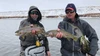
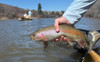
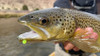
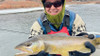
Many of the largest trout I've guided anglers into have come during cold-weather months. While winter may not always produce the highest numbers of fish, the quality of fish can be exceptional.
The key is patience.
You may make ten perfect drifts before receiving a strike. However, that one strike could come from the biggest trout of your season
4. Winter Hatches Create Surprisingly Good Dry Fly Fishing
One of the biggest misconceptions in fly fishing is that winter means exclusively nymph fishing. While subsurface tactics are important, many rivers continue producing dependable winter hatches. In fact, some of the most technical and rewarding dry fly fishing of the year can occur between December and February.
Midges become the primary food source on many trout streams throughout winter. Although tiny, these insects emerge consistently, sometimes providing hours of surface activity.
On mild afternoons, anglers may observe:
- Midge hatches
- Blue-winged olive mayflies
- Winter stoneflies
- Occasional caddis activity in certain watersheds
Few experiences in fly fishing match watching trout rise to size 20 or 22 dry flies while snow lines the riverbanks.
As guides, we often pay close attention to weather patterns. Even a two- or three-degree warming trend can dramatically increase insect activity and create excellent dry fly opportunities.
Winter dry fly fishing requires accurate casts, long leaders, and careful presentations, but those challenges are exactly what make it so rewarding. Every fish feels earned.
5. It Makes You a Better Angler
Perhaps the greatest benefit of winter fly fishing has nothing to do with catching fish. Winter exposes weaknesses in an angler's skills while sharpening strengths.
Success often depends on:
- Better drift control
- Improved line management
- Precise depth adjustments
- Reading subtle water features
- Detecting soft takes
Fish rarely move far to inspect a fly during cold weather. Your presentation must be accurate. Your drift must be natural. Your fly selection must make sense. These conditions force anglers to become more deliberate and observant.
I've guided many clients who initially found winter fishing challenging. Yet by the end of the season, their improvements were obvious. When spring arrived, they were better casters, better drifters, and better fishers overall.
Winter strips fly fishing down to its fundamentals. Success is less about luck and more about execution. That makes every fish tremendously satisfying.
Final Thoughts
As a professional fly fishing guide, I've learned that some of the most memorable days on the water have occurred during the coldest months of the year. Winter may not offer the shirt-sleeve comfort of summer or the famous hatches of spring, but it provides something increasingly rare in today's fishing world: uncrowded rivers, predictable trout behavior, opportunities for trophy fish, technical dry fly action, and the chance to become a more skilled angler.
The next time temperatures drop and snow begins accumulating along the riverbanks, resist the temptation to store your gear until spring. Layer up, bring a thermos of coffee, and head to your favorite river.
You may discover what many professional guides already know: winter isn't the off-season for fly fishing. For those willing to embrace it, it can be one of the best seasons of all.